
Roof Repairs
Fast, reliable fixes for leaks, slipped slates, storm damage and general wear.
Roof Repairs in Halifax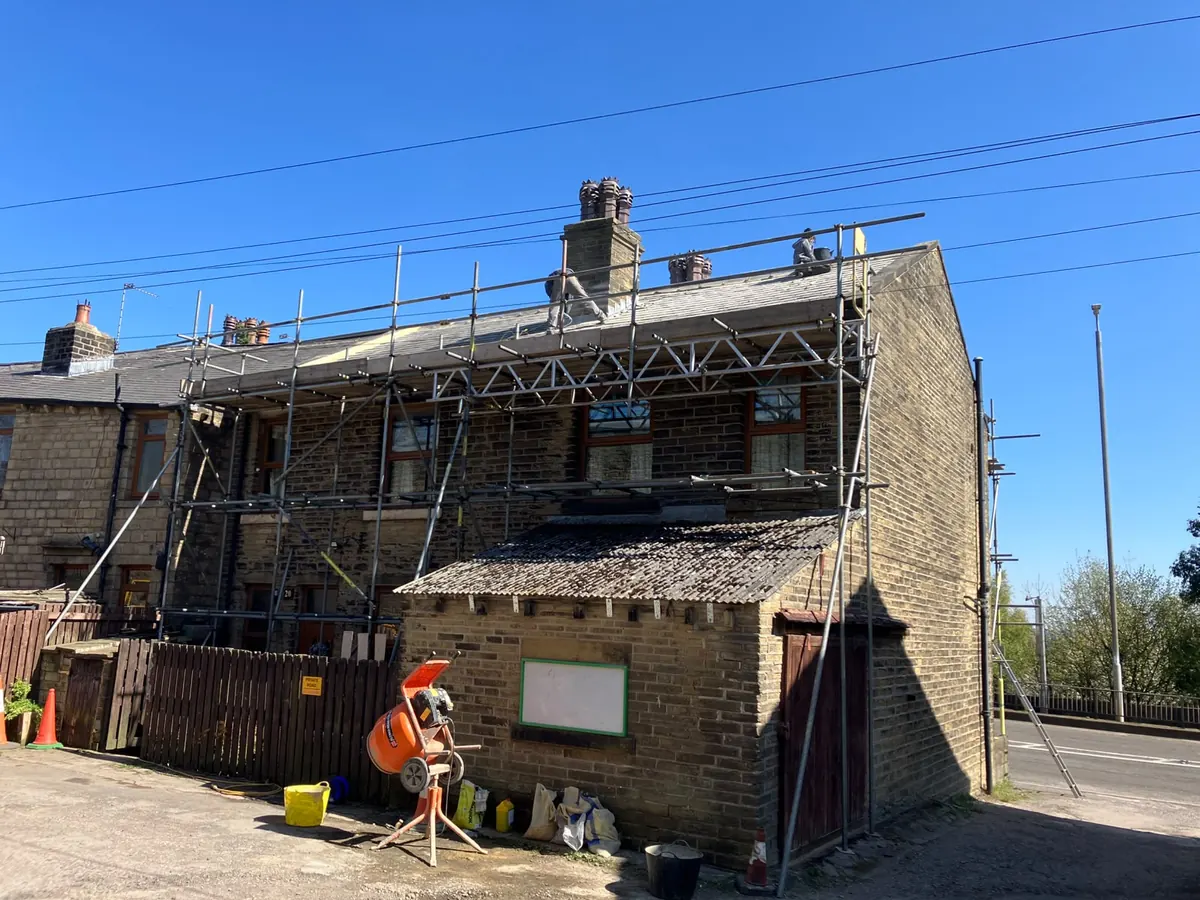
Whether you're re-roofing an ageing property or need a roof for a new extension, we plan and deliver the job from strip-out to finished ridge.
A new roof is a big job, so we start with a proper survey — checking the structure underneath, not just the covering — before agreeing a specification and price.
We take on full re-roofs, roofs for extensions and outbuildings, and rebuilds where a roof has to come off as part of wider structural work. We can match existing slate or tile where you're re-roofing part of a terrace, or advise on materials suited to exposed, hillside Calderdale properties if you're starting from scratch.
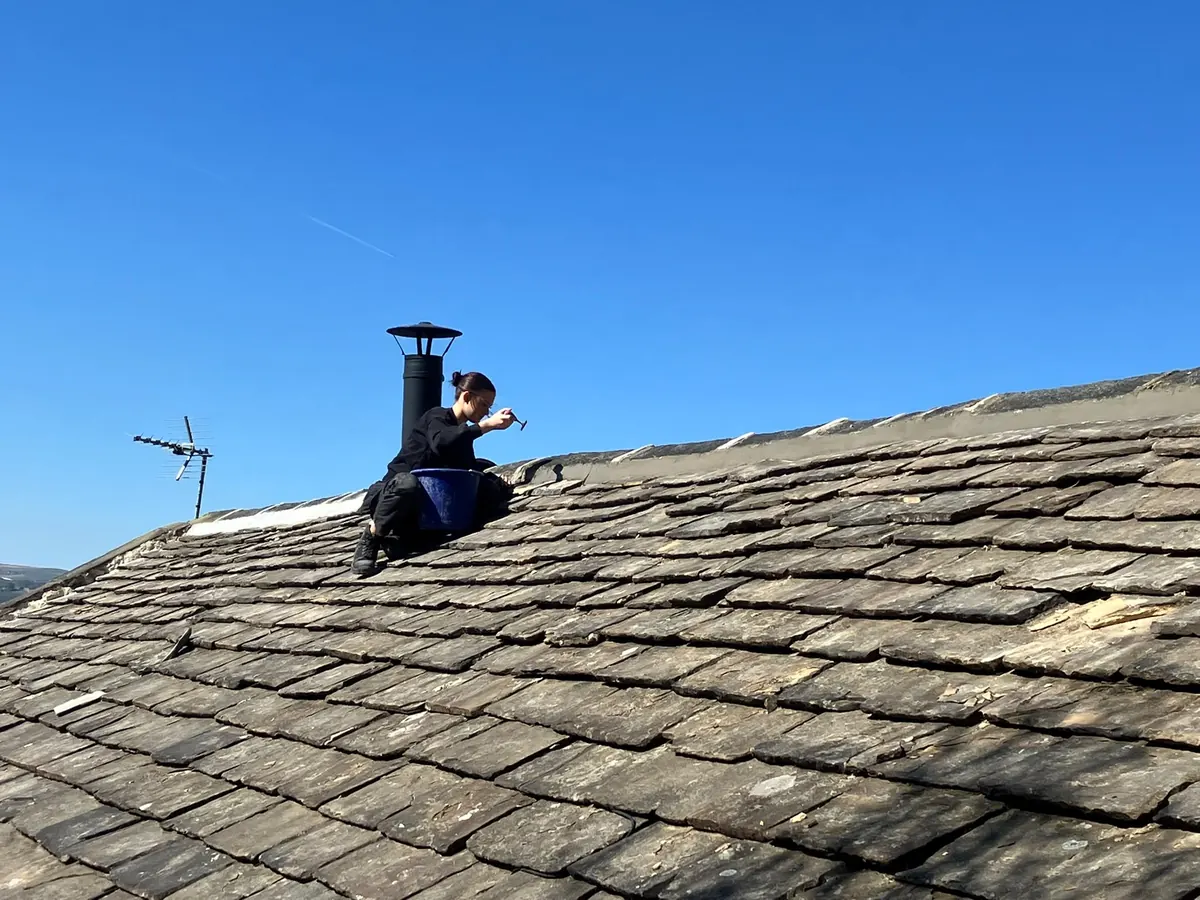
Most re-roofs around Halifax follow the same shape. The old covering and battens come off, the rafters and wall plates get inspected while they're exposed, any soft or split timber is replaced, then breathable membrane, new treated battens and the covering go back on. Ridge, verge, valleys and flashings are finished last, and the whole lot is done in stages so the roof is never left open overnight.
We handle the scaffolding, the skips and the building control notification where one is needed, so you're dealing with one team rather than co-ordinating three. Waste from a strip-out is significant — a stone-slate roof can produce several tonnes — and clearing it is part of the price, not an extra at the end.

New Roofs
The work most often included when we take on new roofs around Halifax and the Calderdale valleys. Anything outside this list, just ask — if it is on a roof, we most likely do it.
What to look for
A single fault is a repair. Several of these together usually means a re-roof is the better use of the money.
Concrete tile roofs typically run 40 to 60 years, felt far less. Natural and stone slate can last far longer, but the fixings and battens beneath them do not.
Once you're calling someone out each winter for a different slate, the covering has generally stopped being a repairable roof and started being a running cost.
Slate flaking apart, or concrete tiles losing their surface across the whole roof rather than in one patch, is a covering at the end of its life.
A visible dip along the roof plane suggests the timber or the wall plate has gone, which needs the covering off to put right properly.
Multiple unrelated leaks point at the underlay having perished rather than at any individual slate.
New roofs for extensions, and re-roofing as part of a loft conversion, are usually best done in one go while access and scaffold are already there.
New Roofs
On a terrace or a period stone property, matching what's already there is usually the right call — both because it looks right and because on a shared roofline your neighbours' slates and yours have to sit together. Reclaimed stone slate is heavy and needs the structure to carry it, so part of the survey is confirming the roof can take the same covering it came off with.
For extensions, outbuildings and modern properties there's more freedom. Natural slate gives the cleanest match to older neighbouring roofs; interlocking concrete tiles are quicker to lay and lighter on the structure; clay plain tiles suit smaller, steeper roofs. We'll set out what each option means for cost, weight and lifespan rather than just quoting one.
Exposure matters more here than in most places. A property on the tops above Queensbury or Northowram takes wind loading that a sheltered street in the valley never sees, and that changes how much of the roof needs mechanically fixing rather than relying on the tile's own weight and interlock.
New Roofs
A new roof from us covers a good deal more than just the visible covering.
Rafters, wall plates and battens assessed and repaired while the roof is open, not covered back over.
Breathable underlay and new treated battens fitted to current standards, so the roof breathes and the fixings hold.
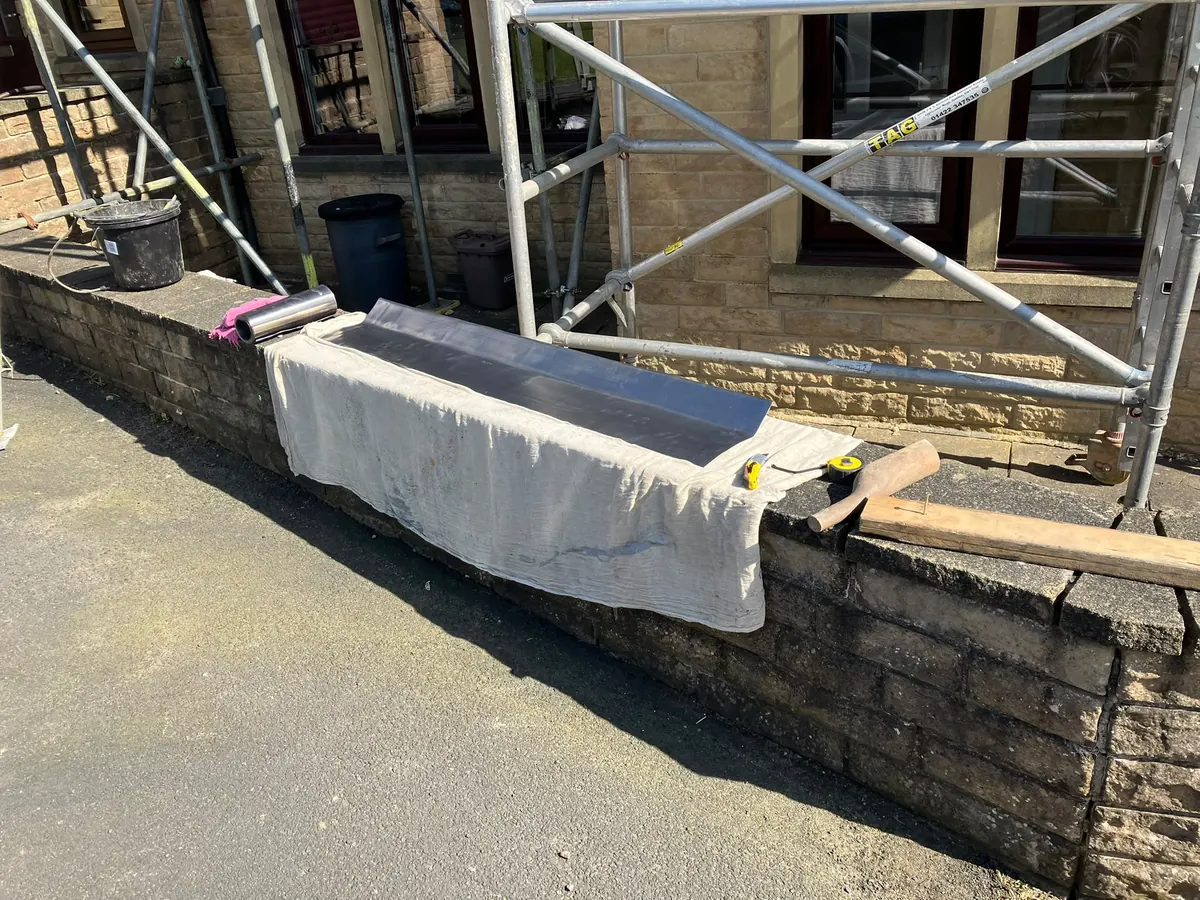
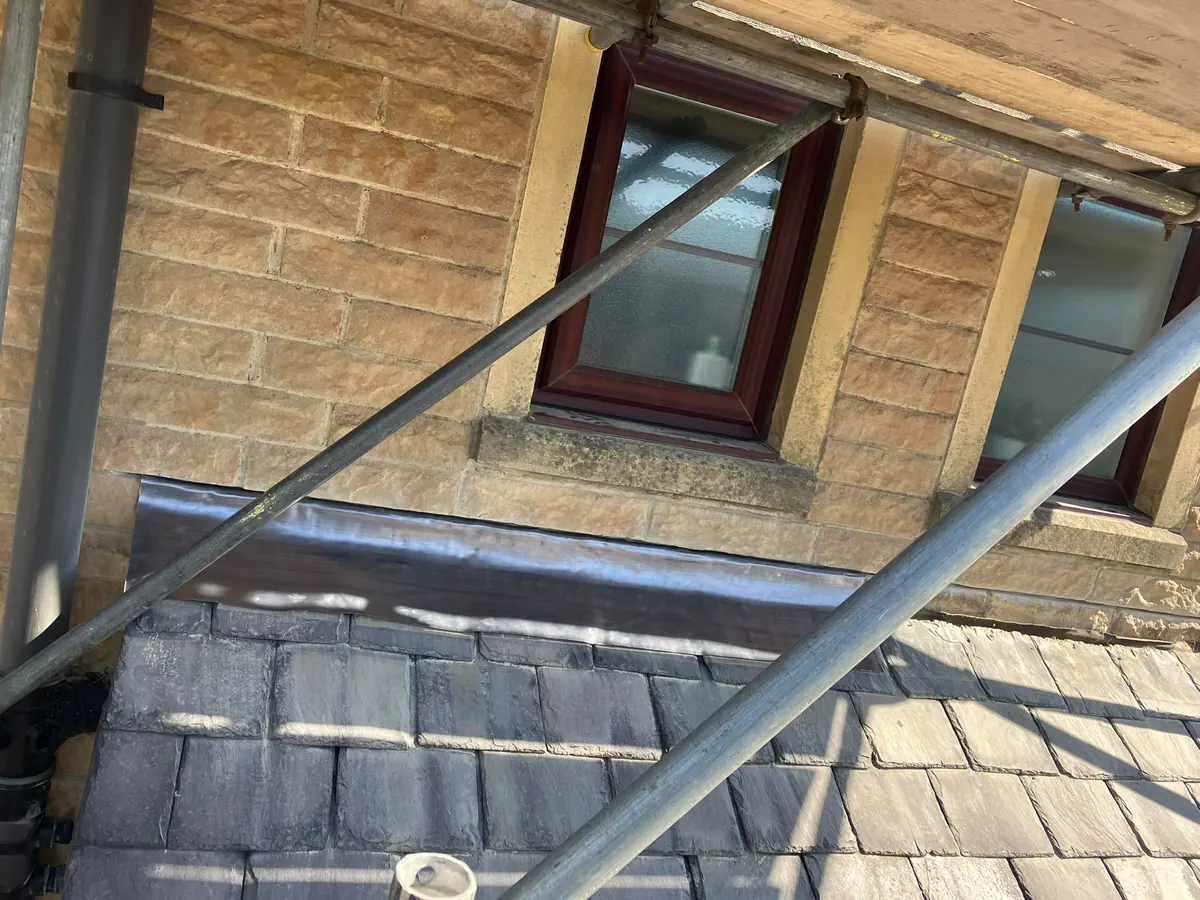
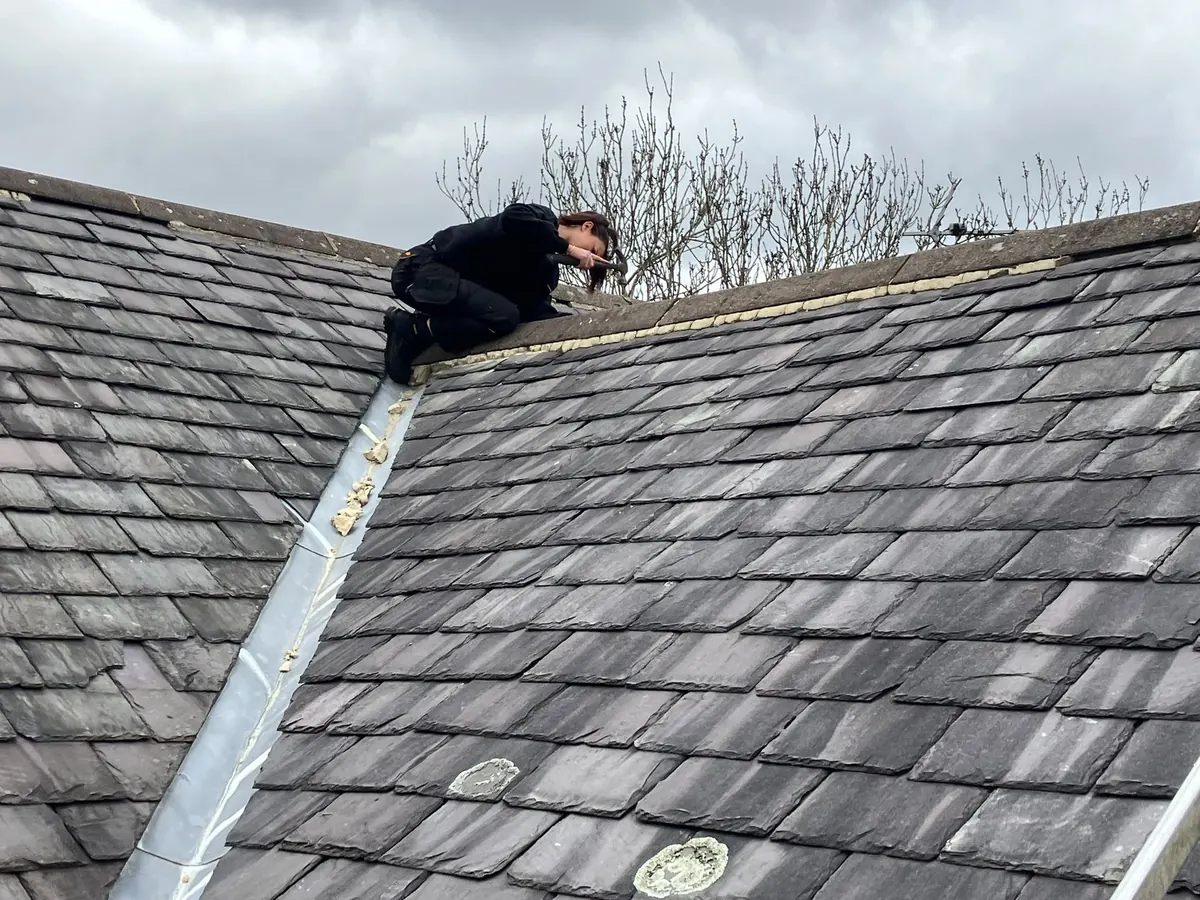
Ridge, verge, valleys and flashings finished properly — the details that decide how long a roof actually lasts.
How it works
The same four steps every time, whether it is an emergency callout at two in the morning or a job booked in for next month. You always know what happens next and what it costs before we start.
We look at the roof, the loft and the structure, and talk through covering options before anything is quoted.
A written spec covering materials, timber allowance, scaffold and waste, so you can compare quotes like for like.
Old covering and battens off, structure inspected and put right while it's accessible and visible.
Membrane, battens and covering on, leadwork and ridge finished, scaffold struck and the site cleared.
Pricing
Every re-roof is priced off a survey rather than a rate per square metre, because what's under the covering is what decides the job. These are the main variables:
Where we work
We are based on Pellon Lane in Halifax and cover the town and the surrounding valleys for new roofs — Halifax, Elland, Brighouse, Sowerby Bridge, Mytholmroyd, Hebden Bridge, Ripponden, Illingworth, Ovenden, Siddal, Southowram, Northowram, Queensbury, Stainland, Luddendenfoot and Warley. If your village is not on the list, it is worth a call anyway; we work well beyond the places named here.
FAQs
A typical terraced or semi-detached re-roof runs to around a week of working days once scaffolding is up, though weather and the amount of timber repair needed both move that. Larger or more complex roofs take longer, and we'll give you a realistic window at the quote stage rather than an optimistic one.
No. We strip and re-cover in sections, so the roof is closed up and watertight at the end of each day. If weather turns during a strip-out, the open area is sheeted before we leave.
Like-for-like re-roofing is normally permitted development, but replacing more than a quarter of a roof's area is generally notifiable under building regulations. We handle that notification as part of the job. Listed buildings and conservation areas have their own requirements, and we'll flag that at survey.
Yes — it's very common here. The join with the neighbouring roof is detailed properly so there's no weak point along the party line, and we'll match the covering as closely as the existing roof allows.
It usually makes sense to. The scaffold is already up and the fascias are exposed, so replacing tired guttering, fascias and soffits then costs far less than doing it as a separate job later. See our roof installations page for that side of the work.
Workmanship on completed jobs is guaranteed for a period we confirm in writing at the time of quoting, and materials carry their own manufacturer warranties.
Other services
Fast, reliable fixes for leaks, slipped slates, storm damage and general wear.
Roof Repairs in HalifaxFlat roof repairs and replacements for extensions, garages and commercial units.
Flat Roofs in HalifaxChimney repairs, repointing and flashing work to stop damp getting in.
Chimney Services in HalifaxSkylights, roof windows, solar mounts and roofline installations.
Roof Installations in HalifaxMoss removal and roof cleaning to protect tiles and clear blocked gutters.
Roof Cleaning in Halifax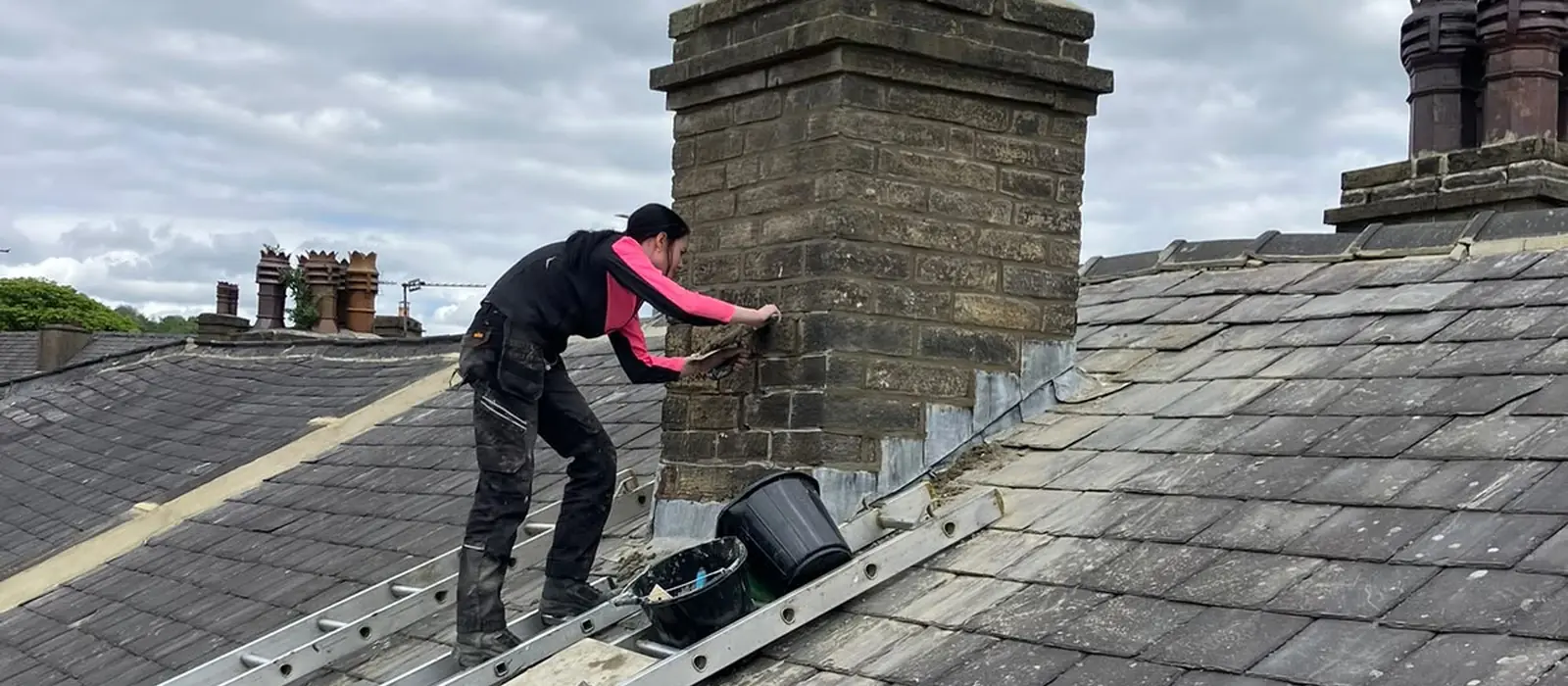
Call now for a free, no-obligation quote on new roofs in Halifax — open 24 hours.